
Crystal Star
Building a Trusted Brand Experience
Web Designer
UX/UI Design
User Research
Prototyping
Graphic Design
Marketing
Photography
6 months
Context
Crystal Star specializes in herbal supplements, but its e-commerce site was outdated with technical bugs and impersonal stock imagery. The site lacked brand cohesion and failed to reflect their natural, plant-based identity.
The Problem
These issues were undermining user trust and hindering product discovery. Without a cohesive brand image and functional navigation, customers struggled to feel confident in their purchase decisions.






What Did You Do?
I led a comprehensive redesign that started with establishing Crystal Star's visual identity - creating brand guidelines, custom illustrations, and a cohesive design system. Through user testing and research, I identified critical usability issues and redesigned the e-commerce experience. My work spanned UX research, web design, brand photography, and email marketing to create a more trustworthy and user-friendly platform.
Constraints
Parameters that shaped the design process
Building The Foundation
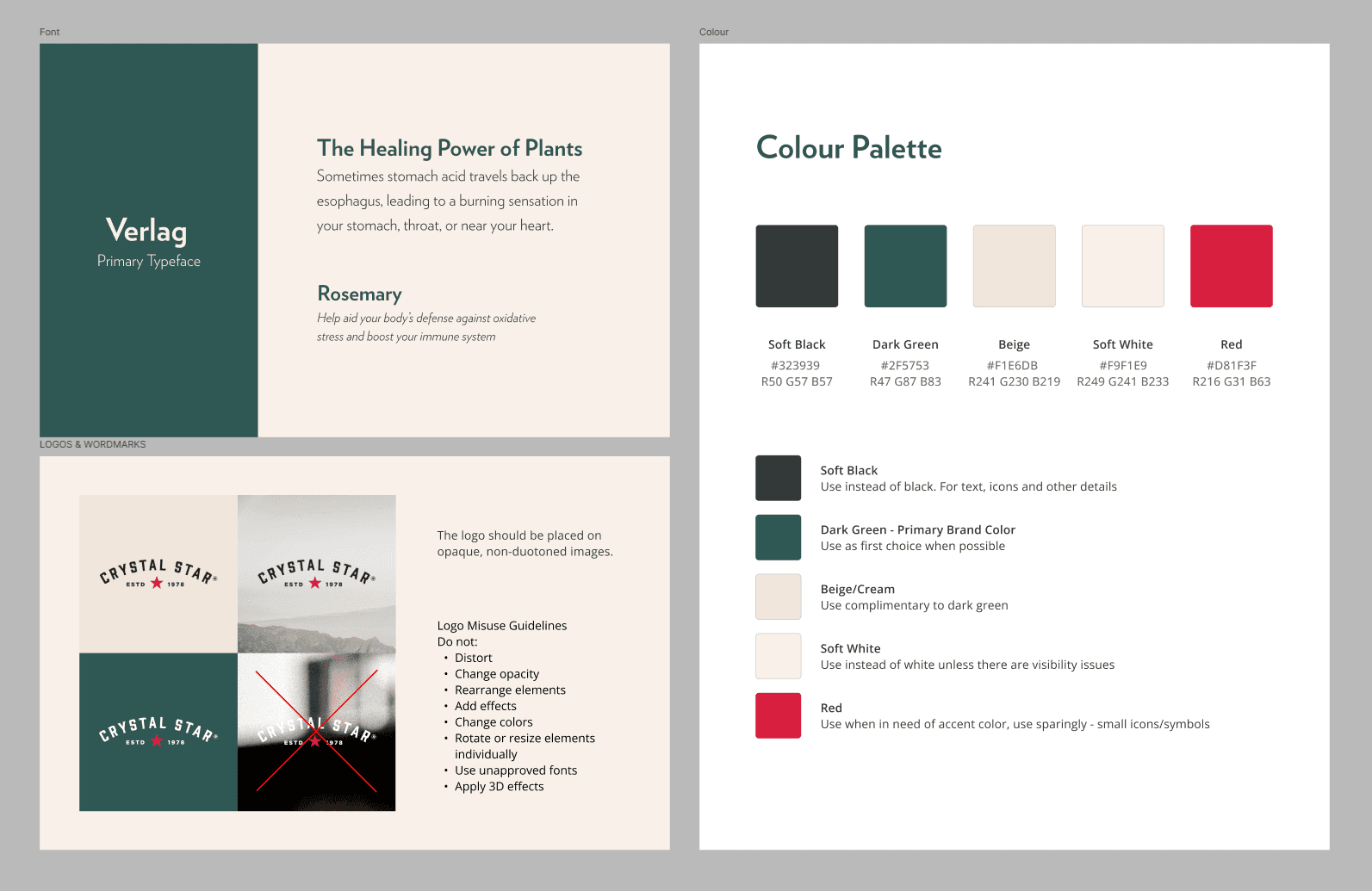
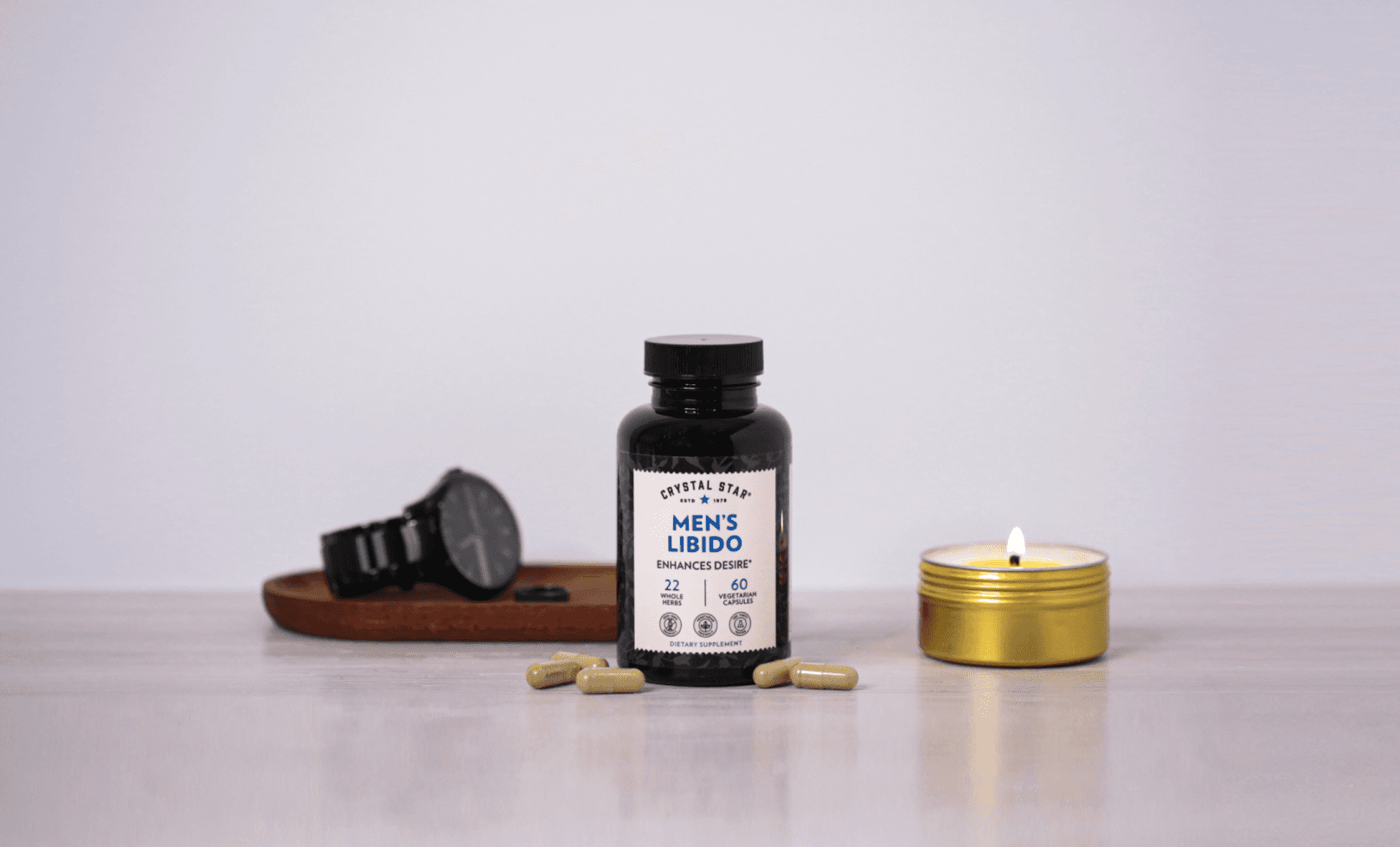
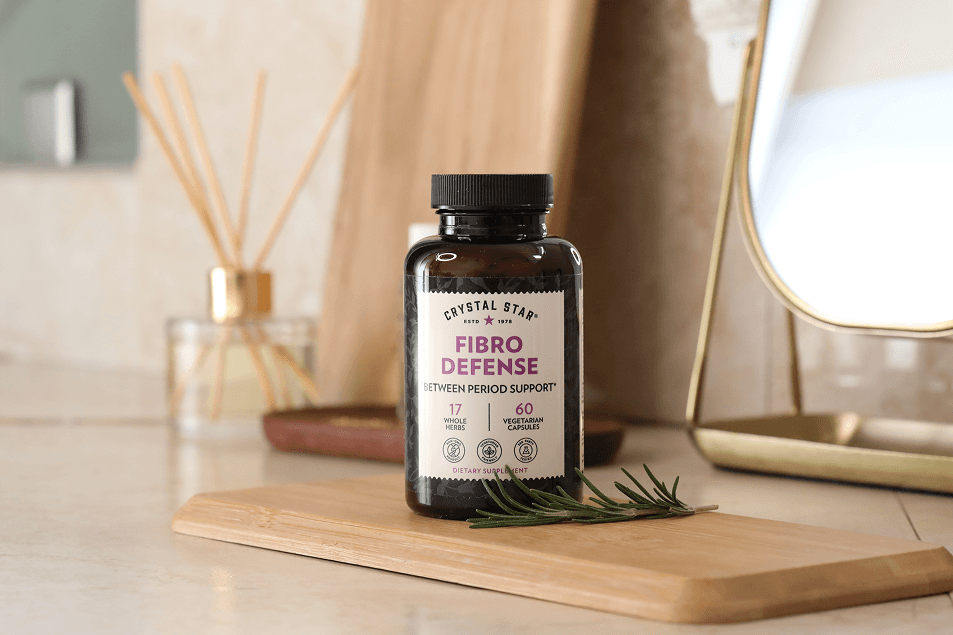
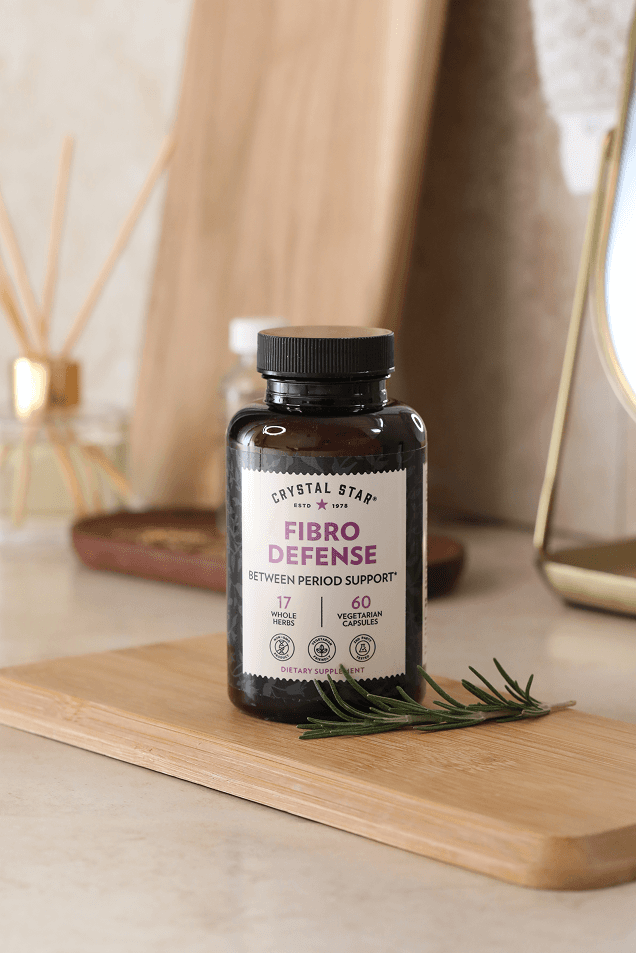
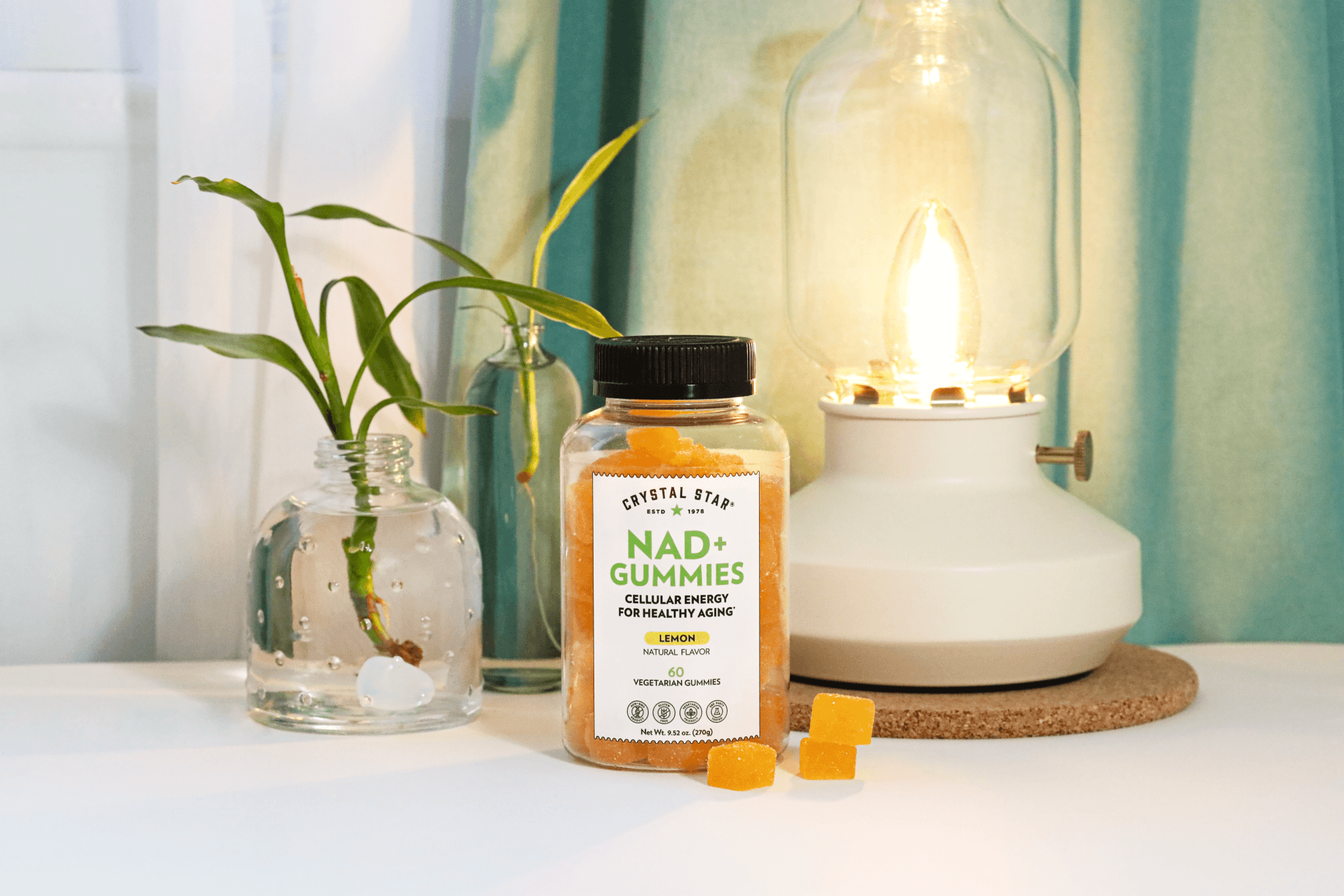
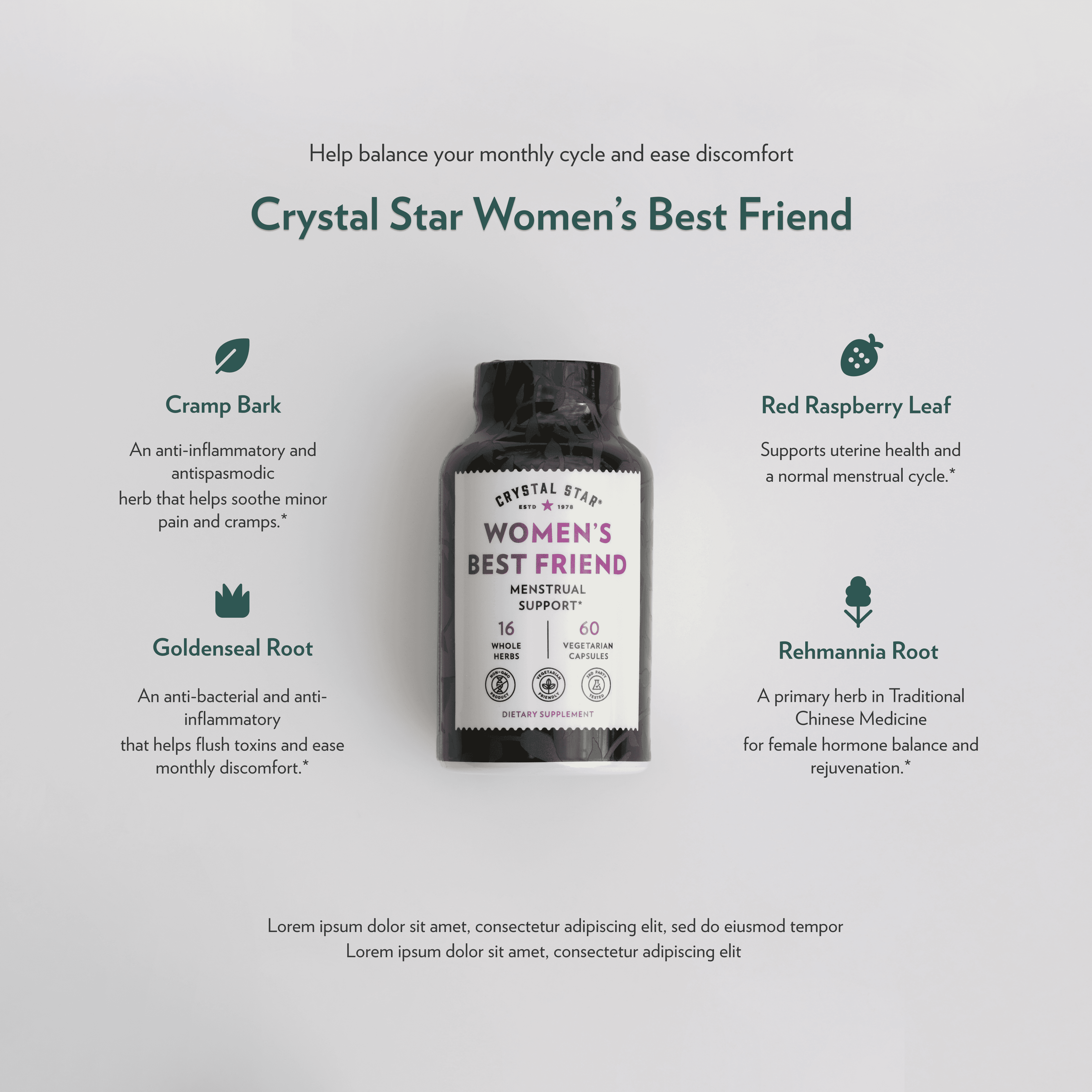
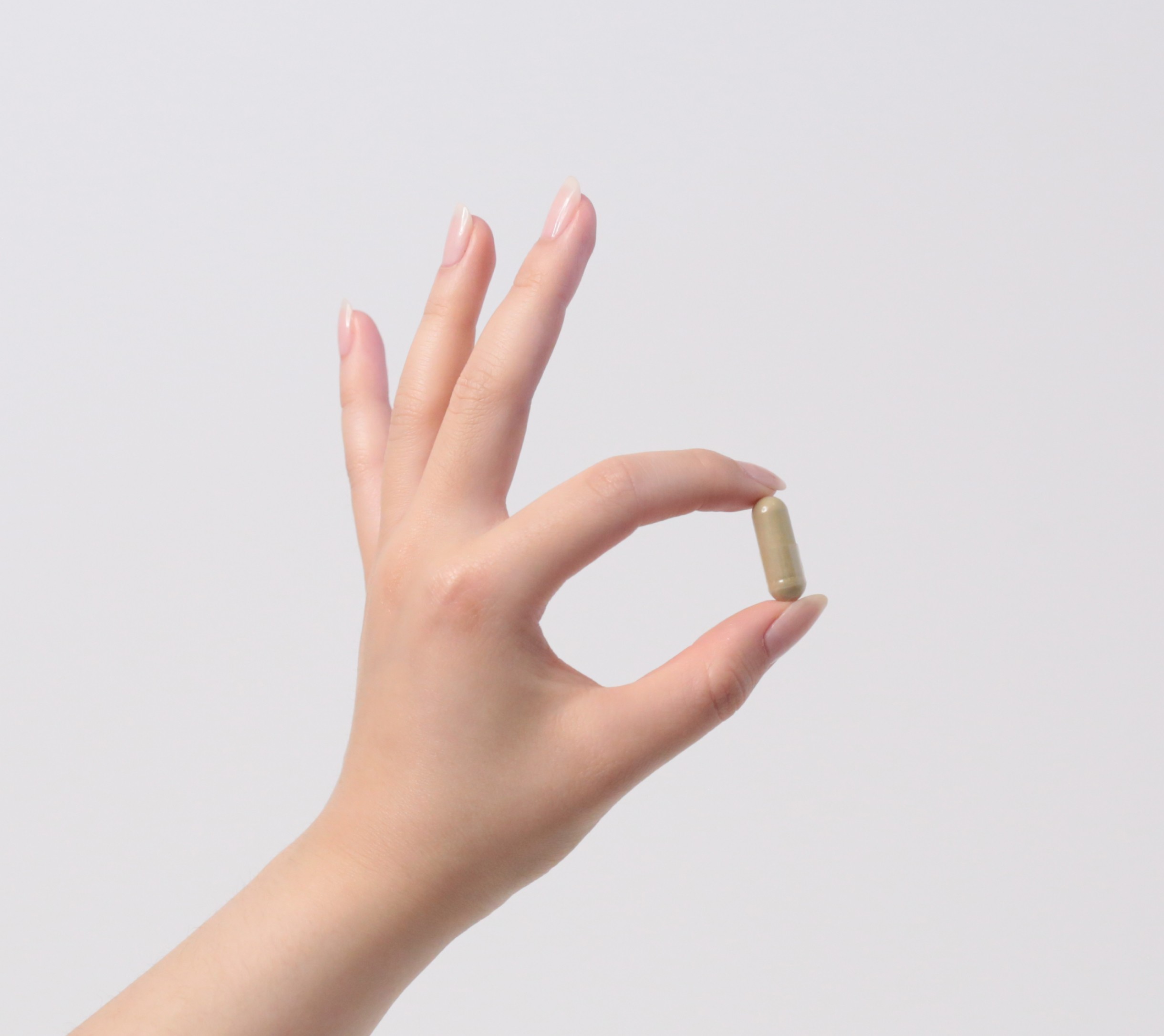
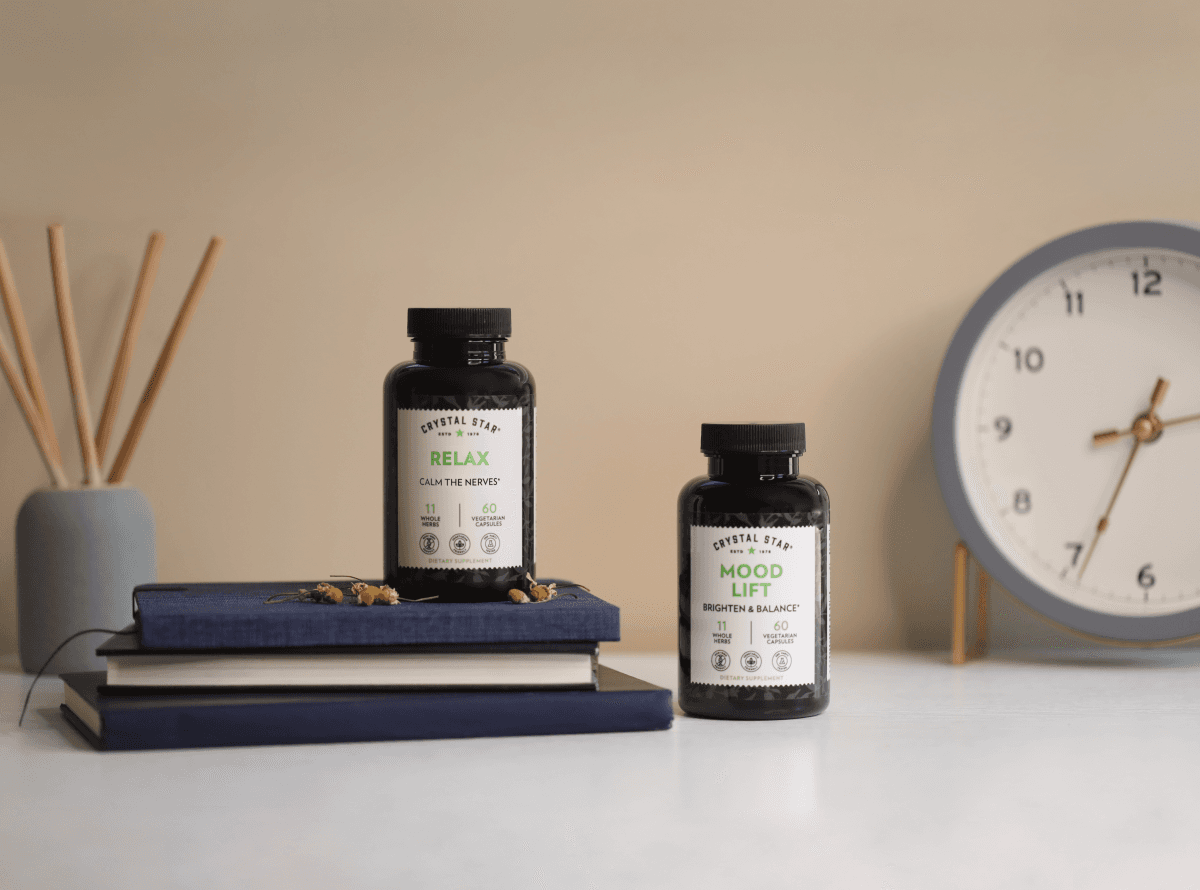
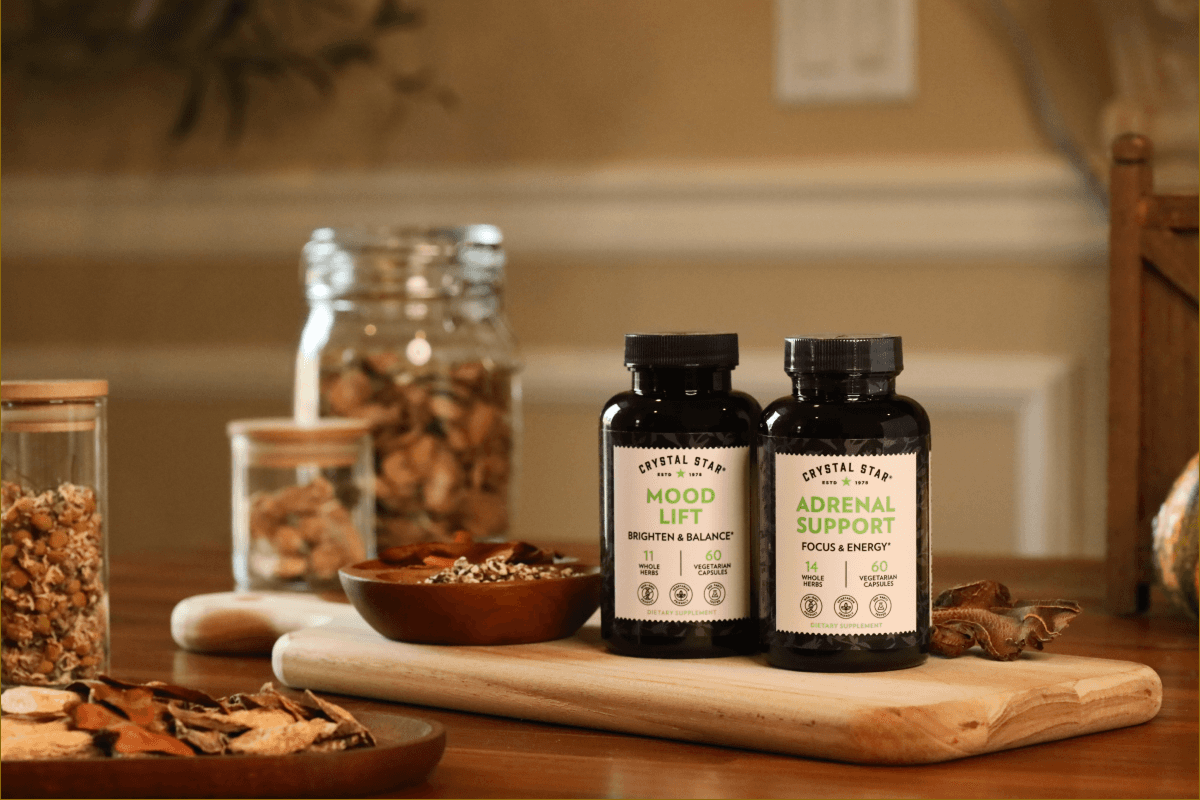
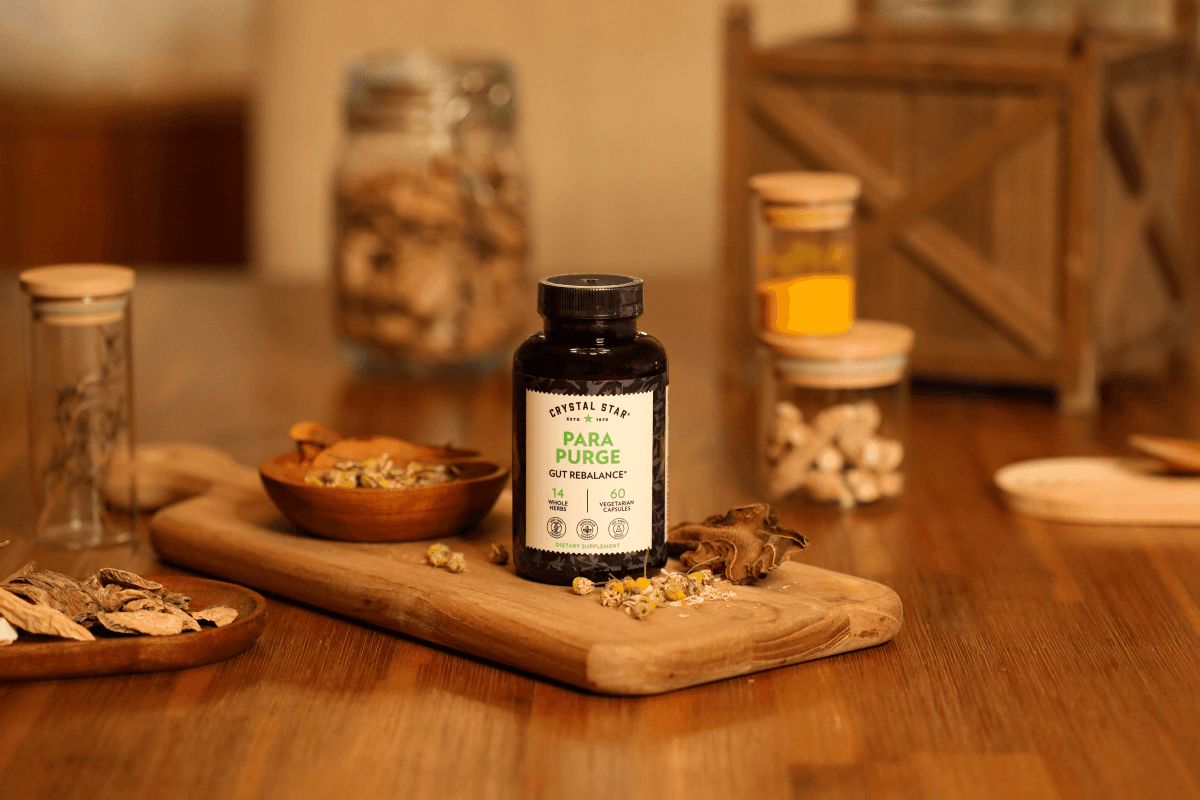
Before tackling the website redesign, I established Crystal Star's visual identity for consistency across all touchpoints.
What I created:
Typography system and colour palette
Illustrations of herbs and flowers
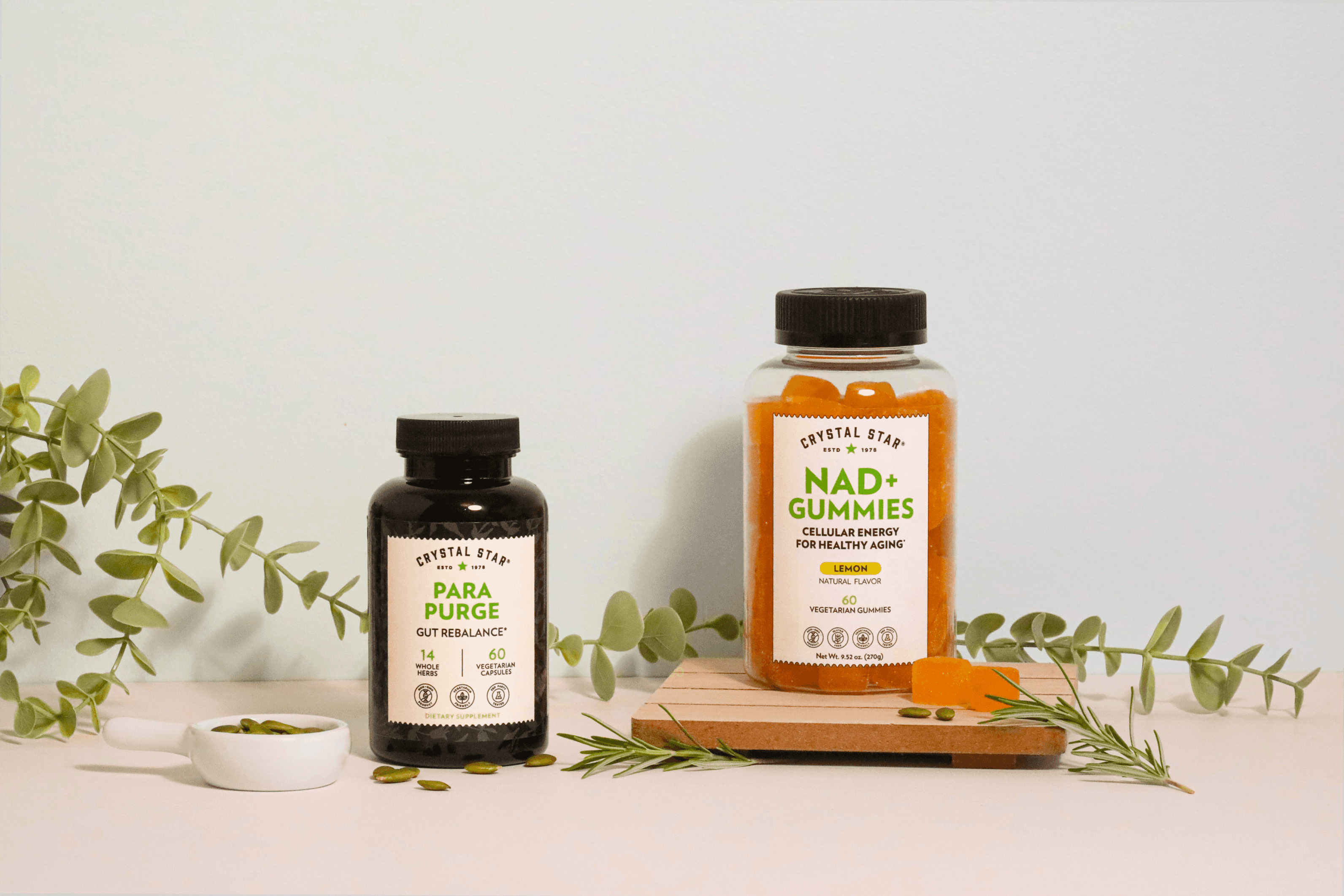
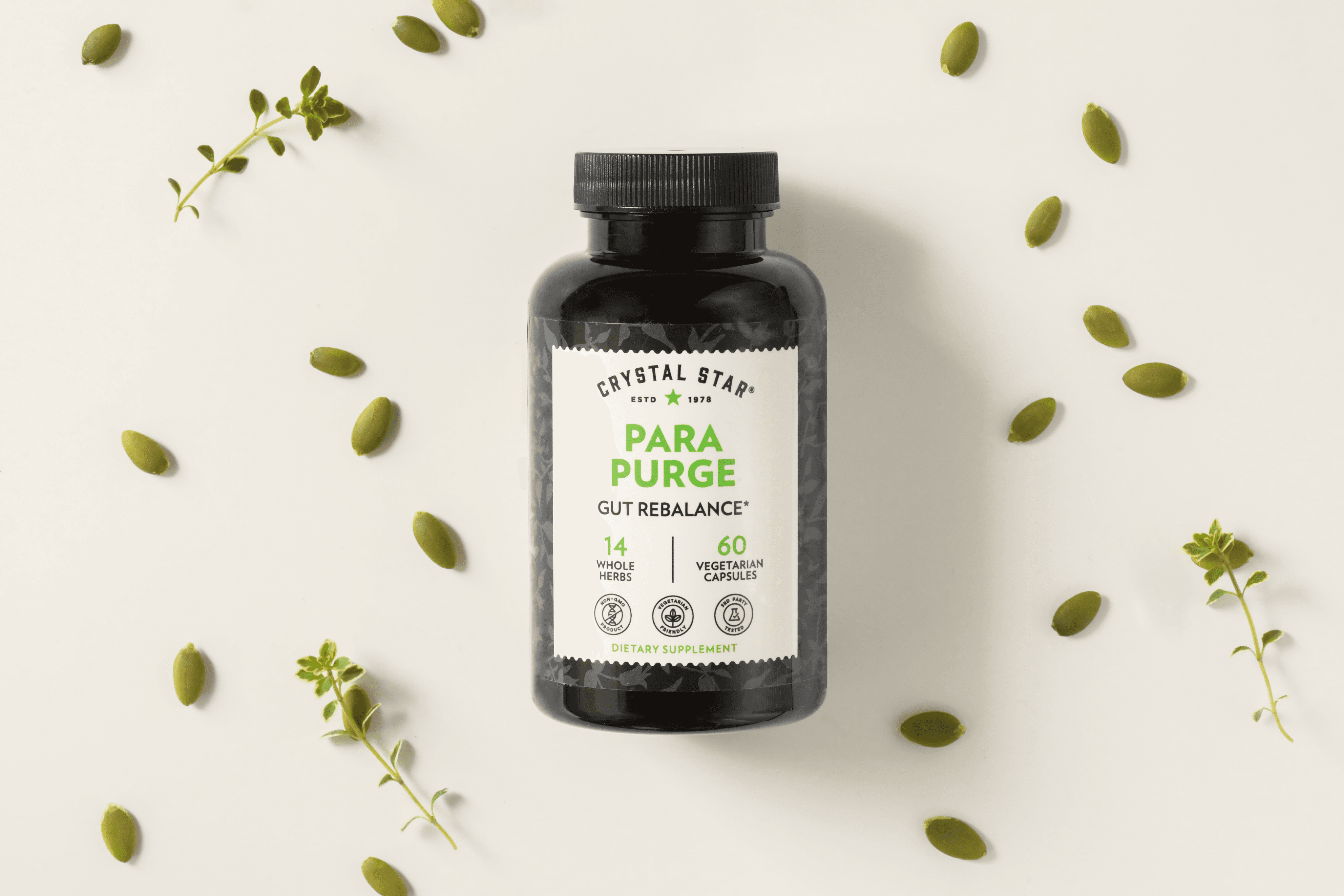
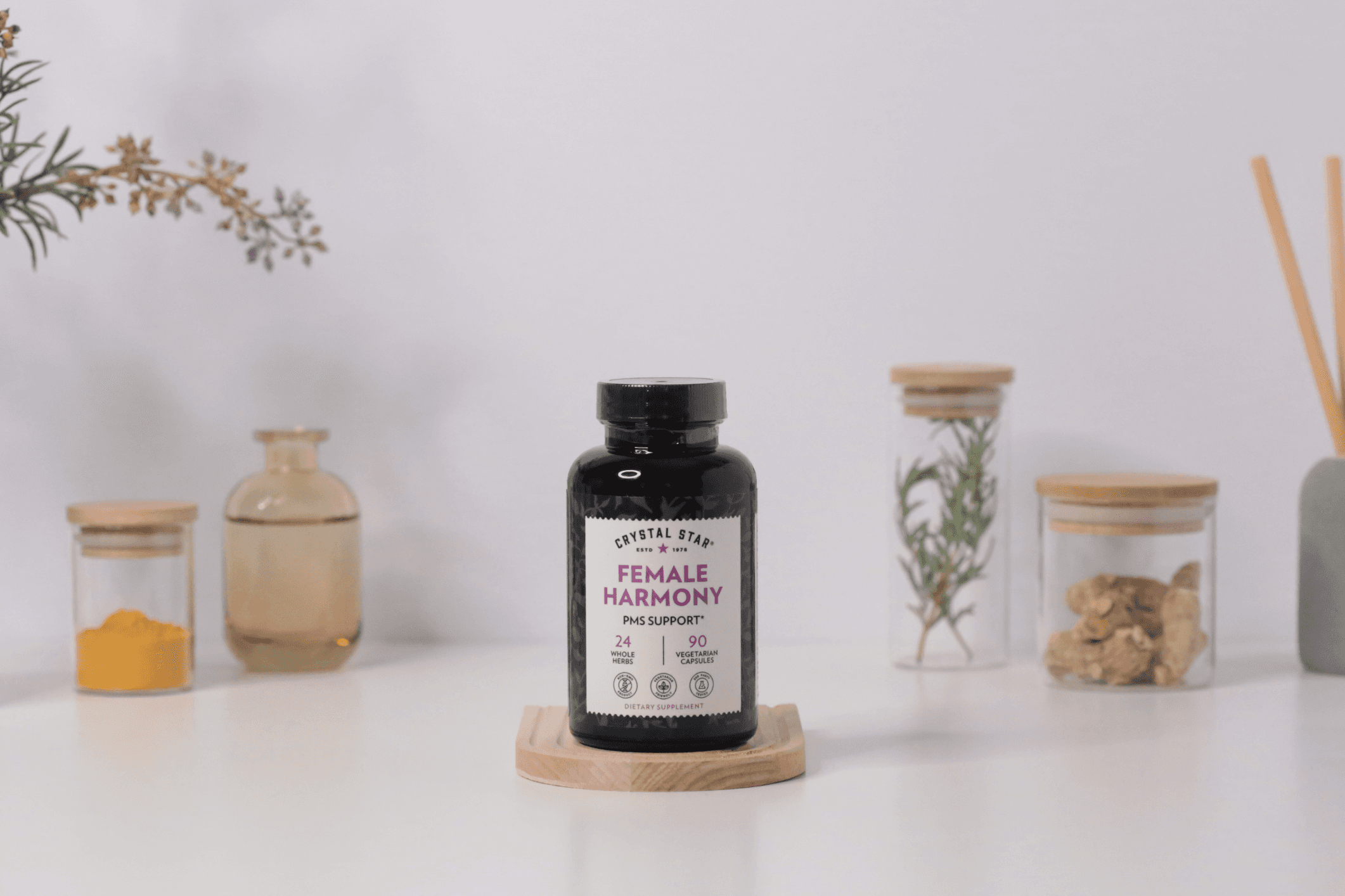
Product photography
Visual design principles
This foundation gave us a clear direction for the website redesign and ensured the final design would reflect Crystal Star's brand identity rather than relying on stock imagery.
Understanding The Problem
After the brand foundation was established, it was time to understand how users were interacting with the existing website. To ground my design decisions in real user behavior, I conducted remote usability testing with 3 participants using a think-aloud protocol. I asked users to explore the website freely while articulating their thoughts, focusing on navigation patterns, pain points, and overall experience.
👥 Participants
3 remote users who shop online regularly
📋 Method
Open-ended exploration with think-aloud protocol
🎯 Key Focus Areas
Ease of navigation, confusing elements, and missing and broken features
👀 Observations
Click patterns, hesitation points, emotional reactions, and where users got stuck
Pain Points
#1: Broken Core Functionality
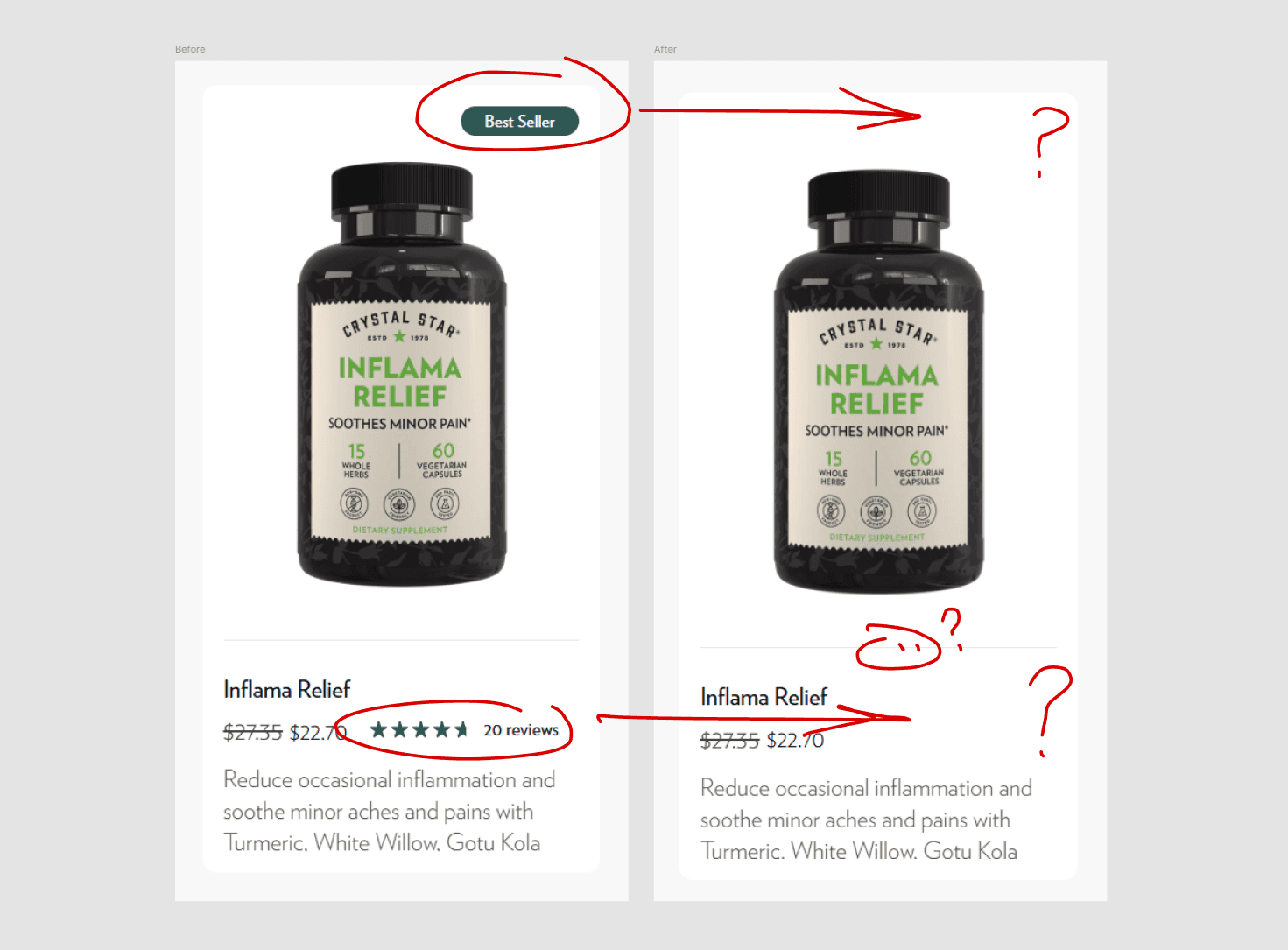
Users struggled with technical bugs that disrupted the browsing experience. A pagination error caused reviews and product tags to disappear when navigating through product collections, making it difficult to evaluate products. Additionally, the filter system lacked visual feedback - when users applied filters, there was no indication of active filters or how they affected the displayed results. This left users confused about what they were actually viewing.
#2: Confusing Information Architecture
The site's navigation was unintuitive and poorly organized.
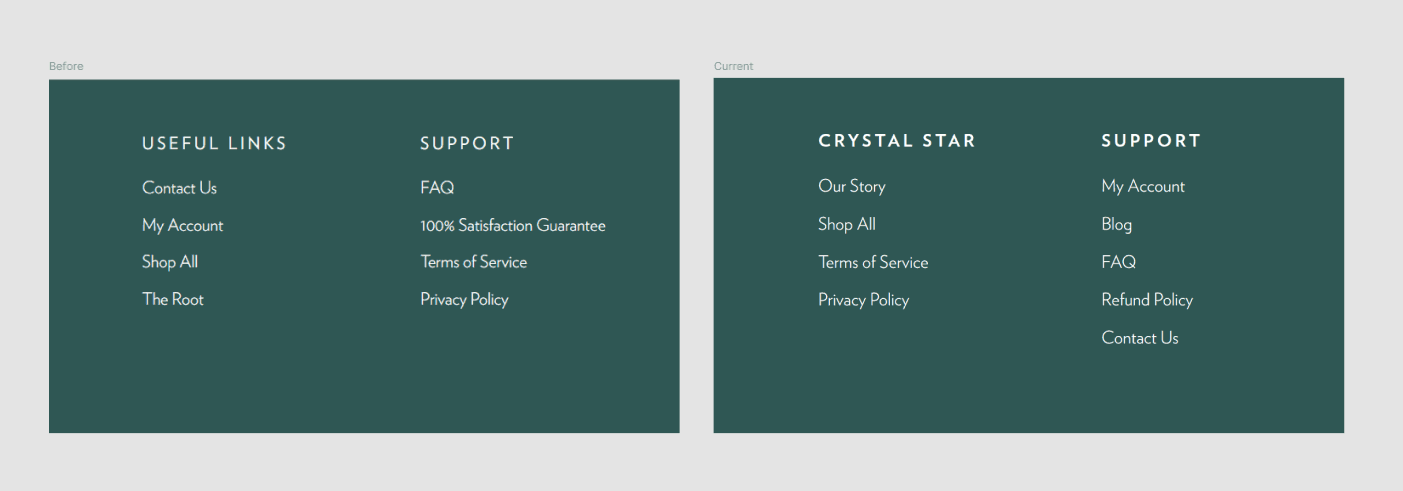
The blog was labeled "The Root", an ambiguous name that left new users confused about its purpose. The footer navigation was particularly messy, with links grouped under vague categories that weren't clearly distinguished. "Useful Links" and "Support" sections contained overlapping content with no clear logic.
#3: Visual Inconsistencies
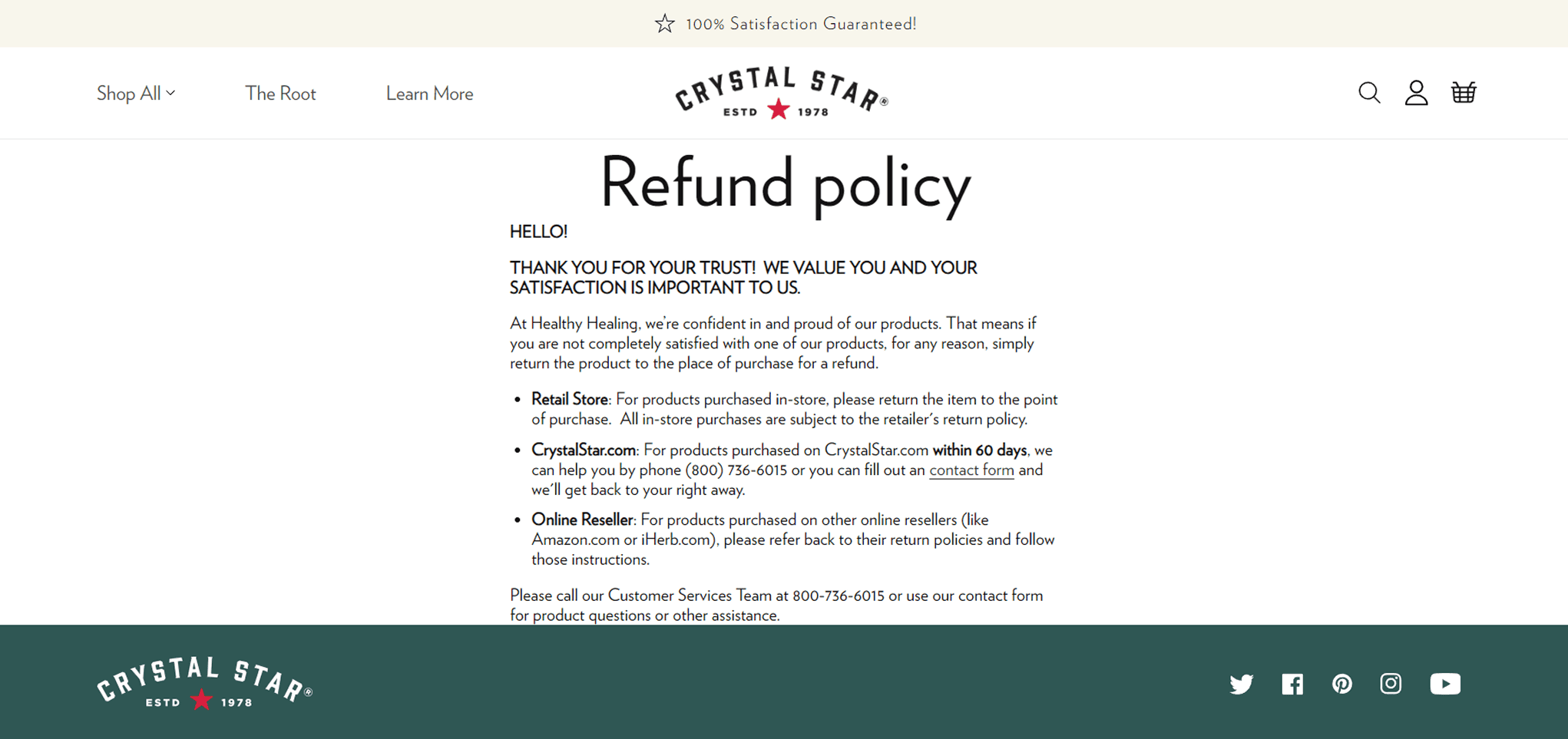
Although brand guidelines had been established, not all elements of the website had been updated prior to testing due to time constraints. Users found the visual design lacking cohesion - inconsistent typography, poorly formatted content, and leftover stock imagery created a disjointed experience.
Pain Point #4: Limited Account Functionality
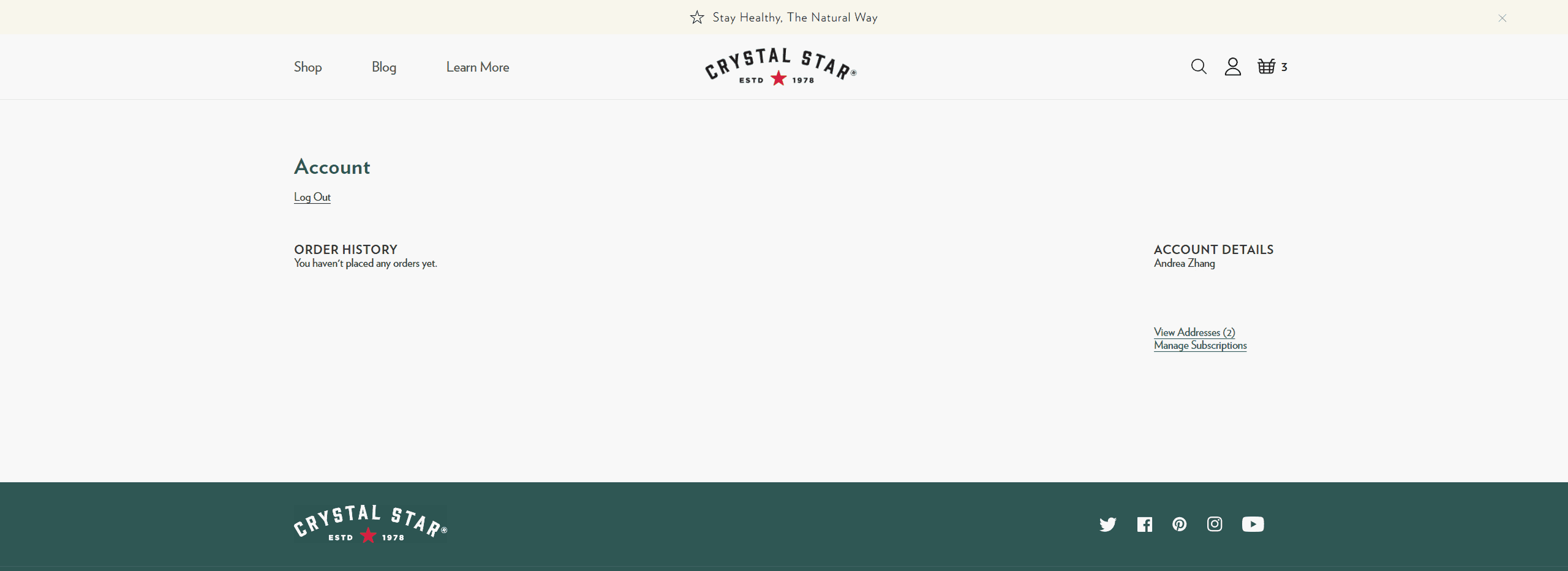
The account system only allowed users to manage saved addresses and view order history - nothing else. Users couldn't update personal information or change passwords without contacting customer service. This limitation surfaced consistently across user testing, customer service feedback, and was evident when comparing to standard e-commerce account features.
The Solution
Phase 1: Bug Fixing
I prioritized fixing bugs that were breaking the user experience. The pagination error was caused by a Shopify plugin conflict, which caused reviews and product tags disappear when users browsed multiple pages. I worked with our developer and the plugin support team to restore functionality.
Phase 2: Improved Product Discovery
Redesigned product cards with "Add to Cart" buttons for faster purchasing
Adjusted product grid from 4 to 3 items per row for reduced visual clutter
Created a desktop filter pop-up with clear visual indicators of active filters and results
Phase 3: Site Structure
Streamlined Navigation & Layout
Reorganized collection landing pages with clearer sections
Updated footer navigation with logical category groupings
Applied brand guidelines throughout for visual cohesion
Account System Redesign
Created a comprehensive dashboard to replace the limited account functionality:
Dashboard with order overview and product recommendations
Full profile management (email, password, addresses, phone)
Clear navigation: Dashboard, Order History, Subscriptions, Profile, Sign Out

hey you!
This project is still in progress. If you’d like to learn more about my experience or past work, feel free to schedule a call!
Outcome
The redesign is currently in active development, with Phase 1 (bug fixes) complete and Phase 2 (feature enhancements) underway.
Conclusion
Key takeaways:
What I'd do differently:
Involve the customer service team earlier in the design process - they have invaluable insight into user pain points.
Conduct user testing before finalizing certain design directions to validate priorities.
